Ben Schwarz · 13 September 2026
Navigating Terrain Shifts in Content Authority Through Integrated Scope Frameworks
Content authority evolves as search engines refine their evaluation methods, and organizations adapt by applying integrated scope frameworks that align topic depth with credibility signals across multiple platforms. Researchers at academic institutions have documented how these shifts occur when algorithms prioritize experience, expertise, authoritativeness, and trustworthiness in ways that demand broader yet focused content strategies. Data from industry reports indicate that entities using structured frameworks maintain visibility even after major updates because they map scope boundaries early and adjust content layers accordingly.
Understanding Terrain Shifts in Content Authority
Search platforms periodically adjust ranking factors, which creates terrain shifts that affect how authority gets assigned to domains and individual pieces of content. Studies from European research centers show these changes often follow patterns tied to user behavior data and new quality thresholds, so content teams track signals such as backlink profiles, entity recognition, and topical coverage metrics. Observers note that shifts become pronounced when engines expand their understanding of subtopics within a niche, forcing sites to expand or contract their scope without losing core credibility. Those who've studied this process find that abrupt drops in rankings frequently trace back to mismatched scope rather than outright quality issues.
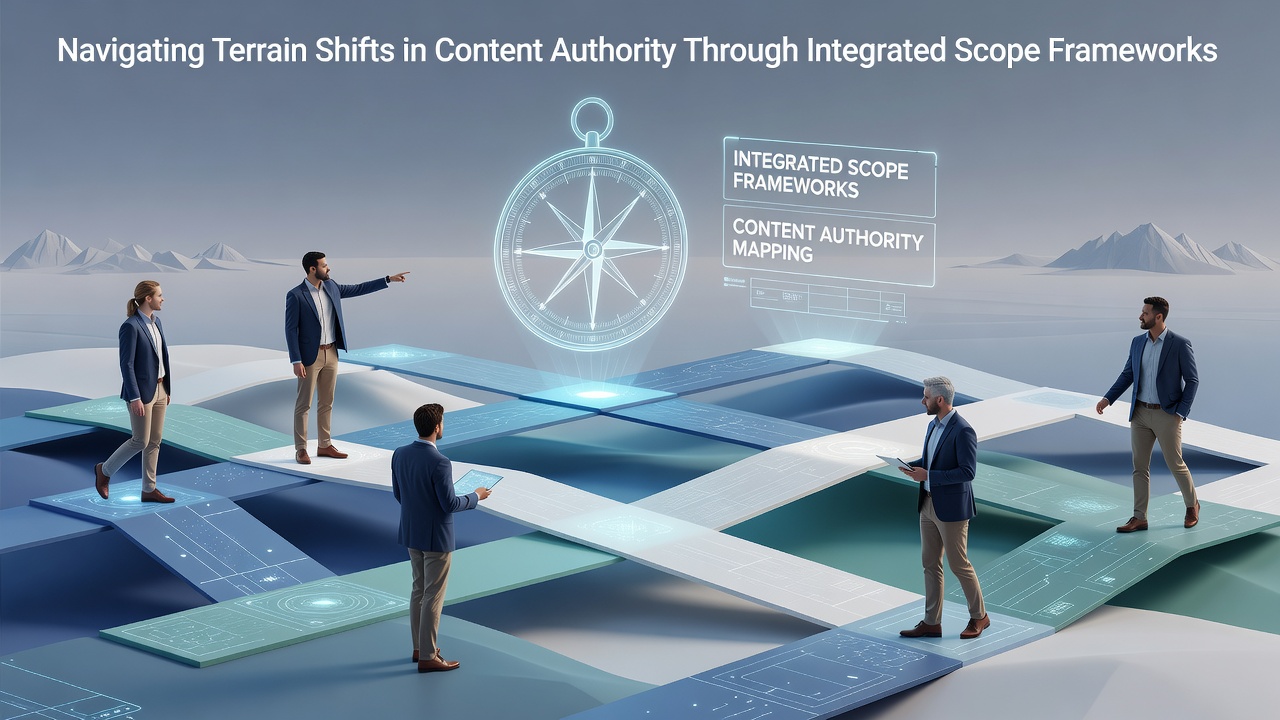
Integrated scope frameworks address this by combining content mapping tools with authority auditing processes, allowing teams to visualize overlaps and gaps before engines enforce new rules. According to analyses published by Canadian digital policy groups, organizations that implement these frameworks report steadier performance across update cycles because they define boundaries for each content cluster and link them through consistent entity signals. The approach works by treating scope as a dynamic variable that expands with fresh data while preserving established authority anchors.
Core Components of Integrated Scope Frameworks
Effective frameworks rest on several interconnected elements that include entity identification, content depth calibration, and cross-channel authority distribution. Experts at university research labs have outlined how entity identification begins with mapping people, organizations, and concepts that a site claims expertise in, then verifies those claims through consistent references across publications. Content depth calibration follows, where teams measure the number of supporting pages required to establish comprehensive coverage without diluting focus. Cross-channel distribution ensures authority signals appear in formats that engines recognize, such as structured data, author profiles, and citation patterns.
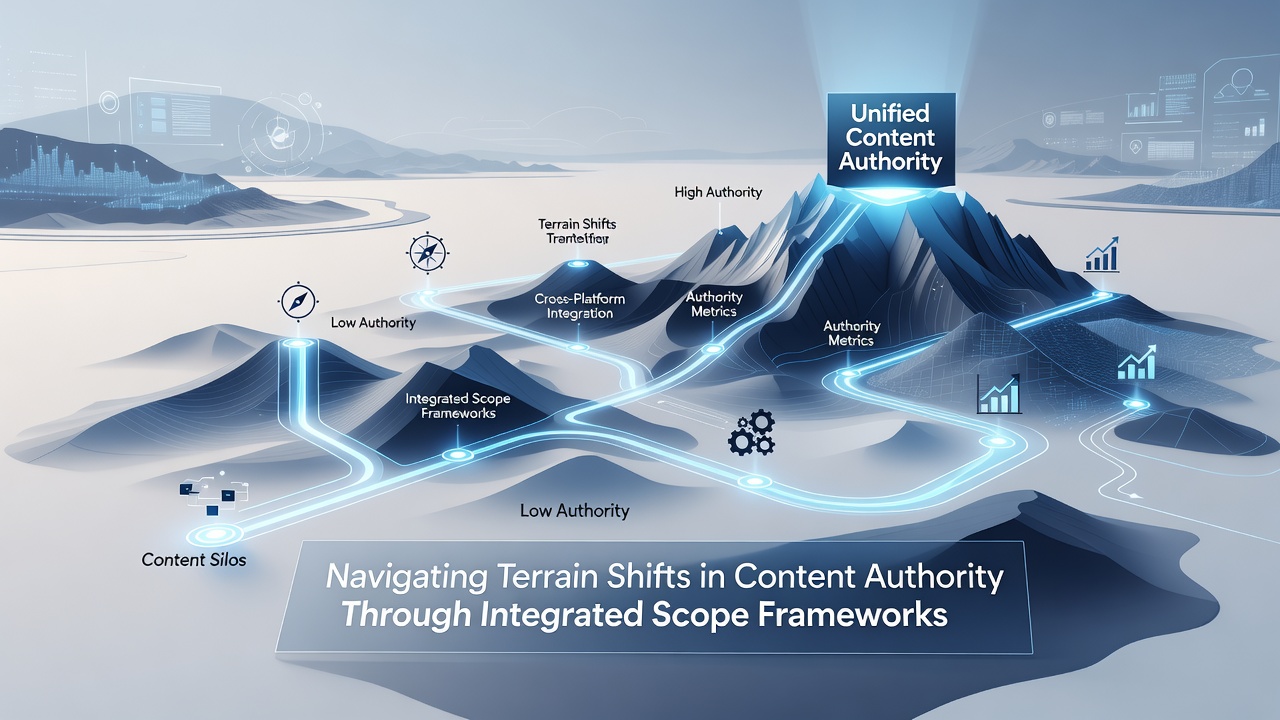
What's interesting is how these components interact during terrain shifts. When one element weakens, the others compensate through pre-built connections that the framework maintains. Research indicates that sites applying this method recovered faster after the September 2026 algorithm refinements because their scope maps already accounted for increased emphasis on multi-format evidence. Figures from academic tracking projects reveal that integrated approaches reduced recovery time by aligning updates across web pages, video transcripts, and knowledge panels simultaneously.
Implementation Practices Observed in Practice
Teams begin implementation by auditing existing content against current authority benchmarks, then layering scope definitions that anticipate future engine priorities. Government agencies in Australia have published guidance on digital content practices that align with these methods, noting the value of maintaining clear boundaries while allowing controlled expansion. Practitioners often use visualization software to plot authority flows between topics, which helps identify where additional supporting content strengthens the overall structure.
But here's the thing: successful application requires ongoing measurement rather than one-time setup. Data shows that quarterly reviews of scope alignment catch emerging gaps before they affect rankings. One case study from a research institution highlighted a media organization that adjusted its framework after noticing entity dilution in health-related content, resulting in restored visibility within two update cycles. The process involved tightening scope around verified medical sources while expanding explanatory layers that engines could parse as authoritative context.
Future Considerations and Adaptation Patterns
Looking ahead, terrain shifts are expected to incorporate more signals from real-time user interactions and multimodal content, which integrated scope frameworks can accommodate through modular updates. Reports from North American research bodies suggest that entities preparing for these developments focus on scalable entity graphs and flexible content templates that maintain authority across formats. Those monitoring September 2026 changes observed that frameworks already in place handled new emphasis on source transparency with minimal disruption because scope definitions included verification layers from the start.
Conclusion
Integrated scope frameworks provide a structured method for handling terrain shifts in content authority by linking entity mapping, depth calibration, and distribution channels into a cohesive system. Evidence from multiple regions demonstrates that organizations applying these methods sustain performance through algorithm changes because they treat scope as an adjustable yet defined parameter. Continued refinement of these frameworks will likely remain central as search technologies evolve and demand more precise alignment between content scope and demonstrated authority.